Tata Motors
Anatomy of progress* (*regress)
Anatomy of progress* (*regress)
A sensory encounter with the
fragility of our ecosystems
A sensory encounter with the
fragility of our ecosystems
Graduation Project, Masters
2023-24
2023-24
.
ROLE
Researcher & Multimedia Designer
DURATION
Sept ‘23- present (active consultants)
LOCATION
Pune, India
METHODS
Ethnobiology, Ethnography, Human Behavioural Research, Electronics, Sound Design, Installation Design
About the Project
This project traces a disconnect: urban life continues largely unaware of its ecological cost, because that cost stays invisible. It unfolds across three stages: disappearance, impact, silence; each stage implicating visitors more directly than the last.
Rather than spectacle, the work stages absence. What's lost isn't shown to visitors; it's arranged so they cause it.
About the Project
This project traces a disconnect: urban life continues largely unaware of its ecological cost, because that cost stays invisible. It unfolds across three stages: disappearance, impact, silence; each stage implicating visitors more directly than the last.
Rather than spectacle, the work stages absence. What’s lost isn’t shown to visitors; it’s arranged so they cause it.
Paradox of the site : a "natural" space born form industry
Set within the Tata Lakehouse in Pune—a thriving ecosystem built from industrial waste and intent—this project investigates the tension between natural and artificial environments.
The site’s success as a carbon sink and wildlife habitat challenges conventional definitions of “nature,” prompting the core inquiry: When does nature become unnatural?
Given an open-ended brief to define the experience of a Nature Interpretation Centre, the project evolved beyond spatial design into a reflective exploration of ecological agency, human responsibility, and sensory engagement—shifting the focus from interpreting nature to confronting our role in shaping it
Paradox of the site: a “natural” space born form industry
Set within the Tata Lakehouse in Pune—a thriving ecosystem built from industrial waste and intent—this project investigates the tension between natural and artificial environments.
The site’s success as a carbon sink and wildlife habitat challenges conventional definitions of “nature,” prompting the core inquiry: When does nature become unnatural?
Given an open-ended brief to define the experience of a Nature Interpretation Centre, the project evolved beyond spatial design into a reflective exploration of ecological agency, human responsibility, and sensory engagement—shifting the focus from interpreting nature to confronting our role in shaping it
This led to a cascade of fundamental questions that became the starting point for all subsequent research:
How much meaningful control do we have over the direction of human society? Is significant change possible in today's world?
Will the knowledge systems of the past guide us in shaping the future?
Is there a disconnect between understanding and action?
The goal shifted from simply interpreting nature to creating awareness, rekindling a lost affinity, and forcing a confrontation with the choices we make. This foundational stage expanded the research into three core areas: the dichotomy of natural vs. artificial environments, the barriers preventing ecological action, and the crucial role of soundscapes in our well-being.
This led to a cascade of fundamental questions that became the starting point for all subsequent research:
How much meaningful control do we have over the direction of human society? Is significant change possible in today’s world?
Will the knowledge systems of the past guide us in shaping the future?
Is there a disconnect between understanding and action?
The goal shifted from simply interpreting nature to creating awareness, rekindling a lost affinity, and forcing a confrontation with the choices we make. This foundational stage expanded the research into three core areas: the dichotomy of natural vs. artificial environments, the barriers preventing ecological action, and the crucial role of soundscapes in our well-being.
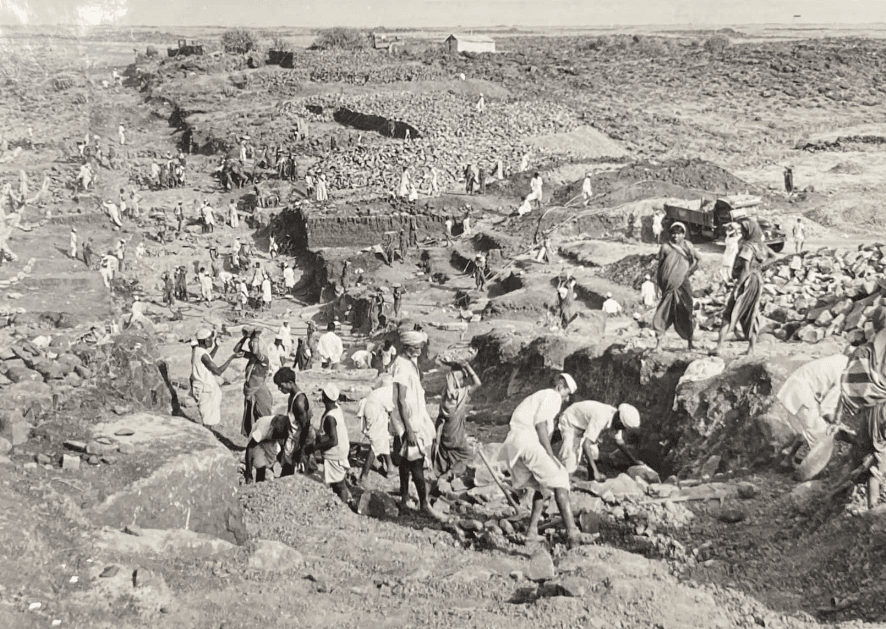
Tata Lakehouse, Pune 1966
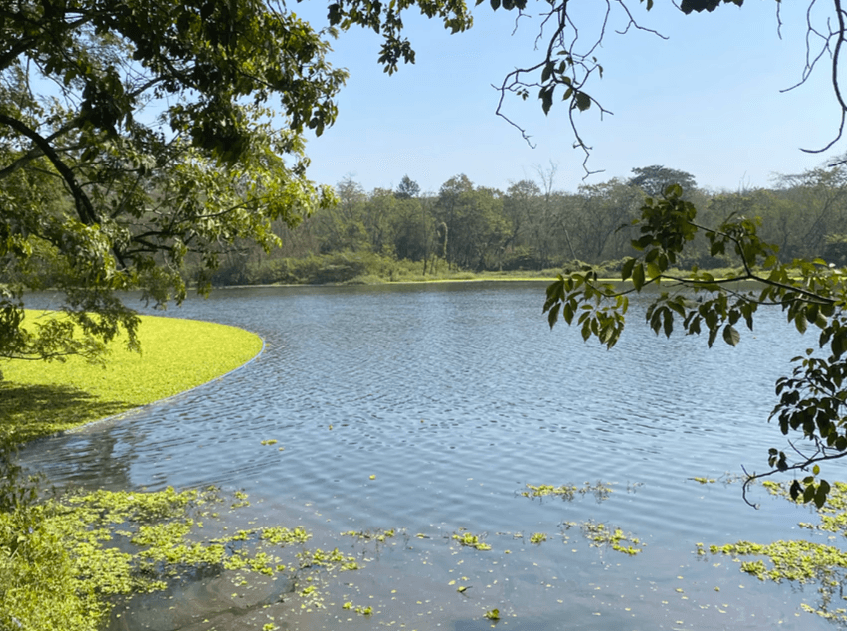
Tata Lakehouse, Pune 2024
Journey : ancient rituals to urban silence
My research was a deep dive into the complex relationship between humans and nature. I discovered that our modern perception of "nature" is often that of a separate, idealised escape—a place we visit, not a system we are part of. This led me down a fascinating, multi-layered path.
Echoes of Ecological Wisdom: I explored how ancient myths, rituals, and cultural practices once encoded deep ecological knowledge. In India, for example, the reverence for trees like the Peepal and Banyan is woven into spiritual beliefs that ensure their protection. These traditions fostered a symbiotic relationship with nature that has frayed over time.
Journey : ancient rituals to urban silence
My research was a deep dive into the complex relationship between humans and nature. I discovered that our modern perception of “nature” is often that of a separate, idealised escape—a place we visit, not a system we are part of. This led me down a fascinating, multi-layered path.
Echoes of Ecological Wisdom: I explored how ancient myths, rituals, and cultural practices once encoded deep ecological knowledge. In India, for example, the reverence for trees like the Peepal and Banyan is woven into spiritual beliefs that ensure their protection. These traditions fostered a symbiotic relationship with nature that has frayed over time.
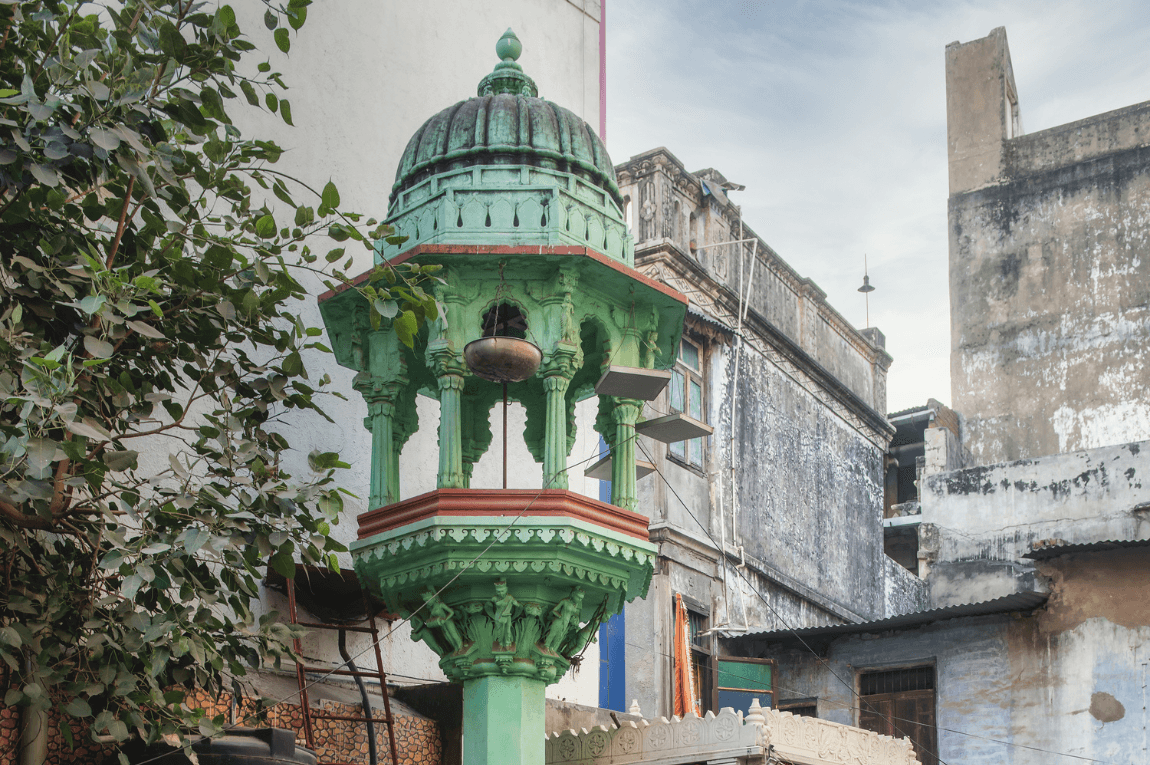
The Case of the Fading Chabutro: The Chabutro, a traditional Indian bird feeder, became a powerful symbol for my research. Historically, it was a vibrant hub where communities gathered, connecting with each other and their local bird life. Today, many stand as neglected relics—a physical manifestation of our growing disengagement from the natural world around us.
The City's Silent Spring: The decline of the Chabutro mirrored a more alarming trend: the transformation of our urban soundscape. The rich chorus of birdsong is being drowned out by the constant hum of traffic and machinery. I was struck by the concept of "urban hostility"—from the noise that disrupts avian communication to hostile architecture like spikes on tree branches designed solely to protect cars from droppings.
The Case of the Fading Chabutro: The Chabutro, a traditional Indian bird feeder, became a powerful symbol for my research. Historically, it was a vibrant hub where communities gathered, connecting with each other and their local bird life. Today, many stand as neglected relics—a physical manifestation of our growing disengagement from the natural world around us.
The City’s Silent Spring: The decline of the Chabutro mirrored a more alarming trend: the transformation of our urban soundscape. The rich chorus of birdsong is being drowned out by the constant hum of traffic and machinery. I was struck by the concept of “urban hostility”—from the noise that disrupts avian communication to hostile architecture like spikes on tree branches designed solely to protect cars from droppings.
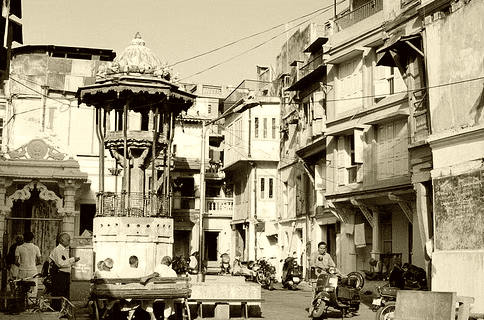
Chabutra/Chabutro in Gujarat, India (left - right)
Research Highlights
Research Highlights
The Human-Nature Divide
We define nature as separate from humans
*creates a false dichotomy.
The Human-Nature Divide
We define nature as separate from humans
*creates a false dichotomy.
The Fading Urban Ritual
Case Study: The Chabutro (Bird Feeder); Once a community hub for nature connection, now a neglected relic symbolising our disengagement.
Rediscovering Ecological Wisdom
Studying myths, rituals, and indigenous knowledge
*Sacred groves, Reverence for trees.
The Silent City
Urban soundscapes are dominated by anthropogenic noise. This creates 'Urban Hostility' for avifauna, leading to declining bird populations
The Human-Nature Divide
We define nature as separate from humans
*creates a false dichotomy.
The Human-Nature Divide
We define nature as separate from humans
*creates a false dichotomy.
Rediscovering Ecological Wisdom
Studying myths, rituals, and indigenous
knowledge *Sacred groves, Reverence for trees.
The Fading Urban Ritual
Case Study: The Chabutro (Bird Feeder);
Once a community hub for nature connection,
now a neglected relic symbolising
our disengagement.
The Silent City
Urban soundscapes are dominated by anthropogenic noise. This creates
‘Urban Hostility’ for avifauna,
leading to declining bird populations
Two truths and a new direction
This extensive research coalesced into two core insights that became the foundation of my project:
The Extinction of Experience : We are losing opportunities to interact with nature, especially in cities. This leads to a loss of ecological literacy and, crucially, a loss of empathy.
The Invisibility of Impact : Our small, daily decisions—the products we use, the spaces we build—accumulate to create an environment hostile to wildlife, but these effects are often too slow or subtle for us to perceive directly.
Armed with these insights, I pivoted from an initial, broad proposal for an outdoor experience to a more focused and intimate indoor installation. The goal was no longer just to show nature, but to make the absence of nature a tangible, physical, and unforgettable experience.
Armed with these insights, I pivoted from an initial, broad proposal for an outdoor experience to a more focused and intimate indoor installation. The goal was no longer just to show nature, but to make the absence of nature a tangible, physical, and unforgettable experience.
The Touchpoints: A Three-Part Immersive Installation
The Touchpoints: A Three-Part Immersive Installation
The final outcome is a multi-sensory installation titled "Anatomy of Progress* (*regress)," designed to guide visitors through a narrative of awareness, confrontation, and reflection.
The final outcome is a multi-sensory installation titled “Anatomy of Progress* (*regress),” designed to guide visitors through a narrative of awareness, confrontation, and reflection.
Unperched (I/III)
Unperched (I/III)
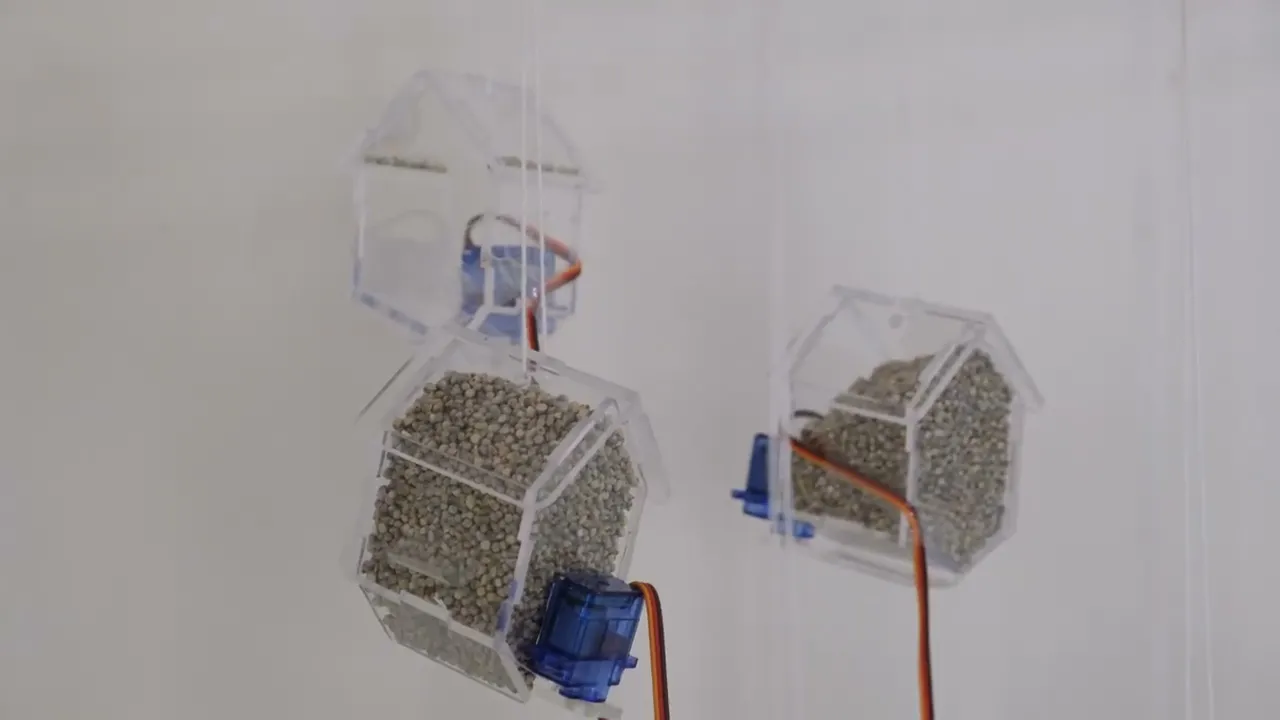
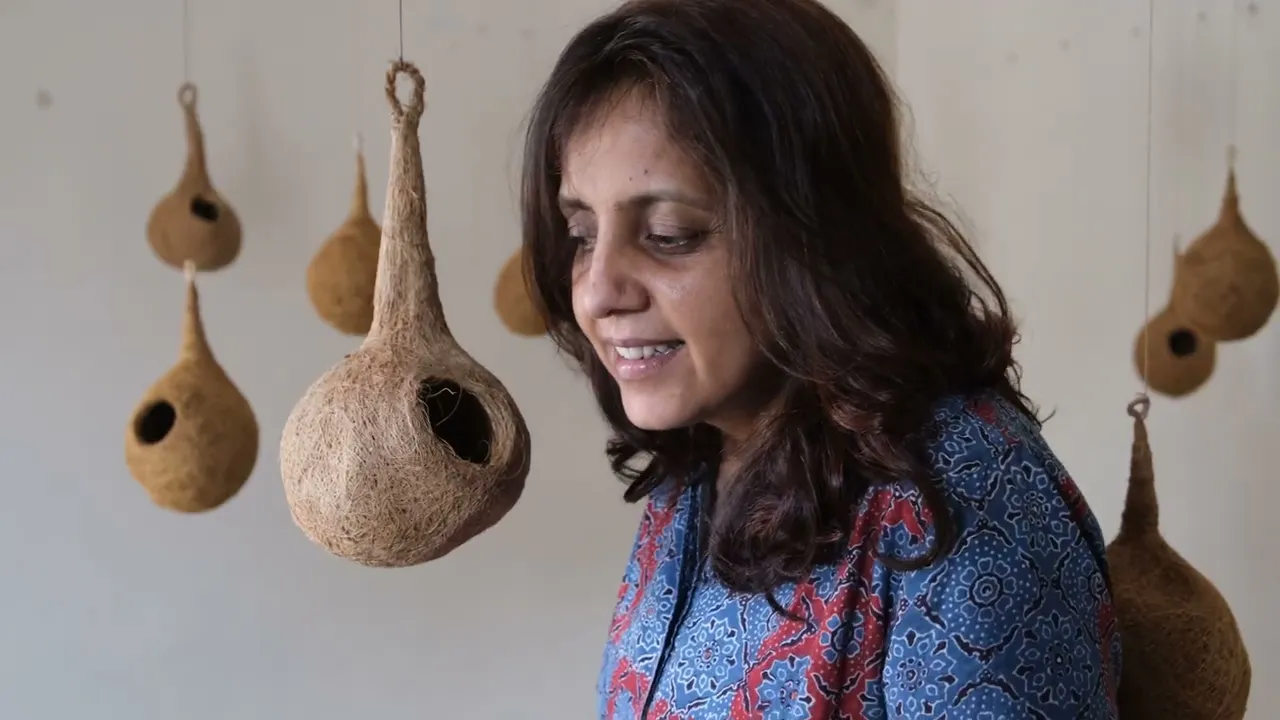
A birdhouse empties itself daily, grain falling with no birds left to eat it. The piles on the floor are a countdown. The room becomes an hourglass; the sound of falling seed becomes the sound of urban birdsong going quiet.
Fleeting Wings (II/III)
Fleeting Wings (II/III)
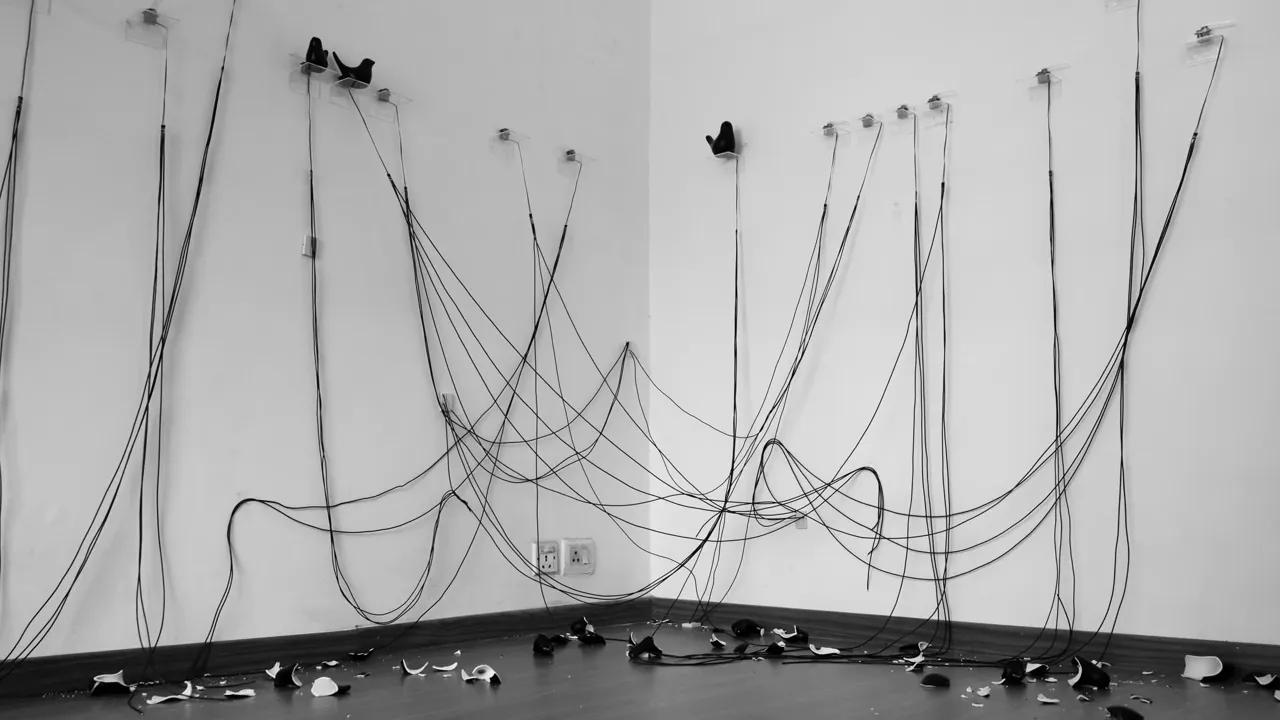
Ceramic birds rest on platforms across the room, thin-shelled, poised mid-flight. Motion sensors track visitor movement; sustained proximity triggers motors that knock birds from their perches, faster the longer someone stays.
No visitor touches a bird directly. The piece stages harm as a byproduct of presence — proof that damage to urban wildlife rarely requires intent, only continued human activity nearby.
Sonic Memoir (III/III)
Sonic Memoir (III/III)
As visitors approach, the space plays field recordings of bird species from the Indian subcontinent listed as near threatened, vulnerable, or critically endangered; calls increasingly rare in urban environments.
Motion sensors track how far visitors move into the installation.
Past a certain point, the calls cut out entirely, leaving the space in silence.
The shift from sound to silence happens without warning. There is no fade, no resolution, only absence, structured to be felt as sharply as it is heard.
Learnings / Way-Forward
Learnings / Way-Forward
The concept moved a long way from where it started; early explorations of ritual and nature ended up as a piece about urban ecology and human-bird relationships. Good sign the process was actually iterating, not just executing a fixed brief.
Cross-disciplinary research (urban planning, ornithology, acoustic ecology, ritual history) is what gave each of the three pieces enough substance to stand on its own.
Sound carried more weight than expected — it did the emotional work images alone couldn't.
The three-part structure (Unperched → Vanishing Point → Sonic Memoir) functioned as a narrative arc, not three disconnected pieces. That's a reusable move for future installation work.
Absence and loss as metaphors let the piece communicate something complex without spelling it out.
The concept moved a long way from where it started; early explorations of ritual and nature ended up as a piece about urban ecology and human-bird relationships. Good sign the process was actually iterating, not just executing a fixed brief.
Cross-disciplinary research (urban planning, ornithology, acoustic ecology, ritual history) is what gave each of the three pieces enough substance to stand on its own.
Sound carried more weight than expected — it did the emotional work images alone couldn’t.
The three-part structure (Unperched → Vanishing Point → Sonic Memoir) functioned as a narrative arc, not three disconnected pieces. That’s a reusable move for future installation work.
Absence and loss as metaphors let the piece communicate something complex without spelling it out.
Carrying it forward at Tata
Two directions: scale and reach.
Scale up each part. Hundreds of birdhouses instead of one. Ceramic birds across entire walls instead of a few platforms. Spatial audio in Sonic Memoir instead of stereo. The point is to make it physically hard to walk past.
Take it on the road. A traveling version reaches more than one city's audience, and there's a built-in metaphor in a piece about displacement that itself moves.
Sound gets a specific upgrade: lower frequencies to make the silence in Sonic Memoir something visitors feel in their chest, not just notice with their ears, sharper contrast against the bird calls before the cut-off.
Also Exploring experiences in AR and VR.
Carrying it forward at Tata
Two directions: scale and reach.
Scale up each part. Hundreds of birdhouses instead of one. Ceramic birds across entire walls instead of a few platforms. Spatial audio in Sonic Memoir instead of stereo. The point is to make it physically hard to walk past.
Take it on the road. A traveling version reaches more than one city’s audience, and there’s a built-in metaphor in a piece about displacement that itself moves.
Sound gets a specific upgrade: lower frequencies to make the silence in Sonic Memoir something visitors feel in their chest, not just notice with their ears, sharper contrast against the bird calls before the cut-off.
Also Exploring experiences in AR and VR.
.say hello
Open to opportunities, feedback, or a
conversation. I'd love to hear from you :)
.say hello